A new pool surface looks best when the pool underneath it is sound. Before resurfacing, a contractor should check the plaster, cracks, leaks, waterline tile, coping, fittings, deck, drainage, and equipment, then repair whatever could undermine the new finish.
This checklist explains what a contractor should examine first and why each item matters. Sea Breeze Pools uses it to help Central Florida homeowners agree on a clear scope before the pool is drained.
Key Takeaways
- A new finish can refresh a worn pool, and it cannot reliably fix problems underneath it.
- Active leaks and growing cracks need a diagnosis before the pool is resurfaced.
- Hollow or loose plaster needs to be removed or corrected so the new finish can bond.
- Sound waterline tile and coping can often stay, and damaged sections should be repaired first.
- Deck condition, drainage, and equipment are easier to coordinate while the pool is already being renovated.
- Ask for an itemized estimate that lists repairs separately from the resurfacing itself.
Why Should You Inspect the Pool Before Resurfacing?
Resurfacing covers the interior shell of the pool. Anything hidden in or behind that shell stays in place unless someone finds it and fixes it first. That is why the inspection comes before the finish selection.
Skipping this step can lead to a surface that flakes, shows old cracks, or needs to be partly removed later. A pre-resurfacing inspection also lets you compare repair, resurfacing, and remodeling options before the work starts.
What Should Your Contractor Examine First?
These six checks cover the conditions that most often affect a new finish.
Is the Existing Plaster Still Bonded?
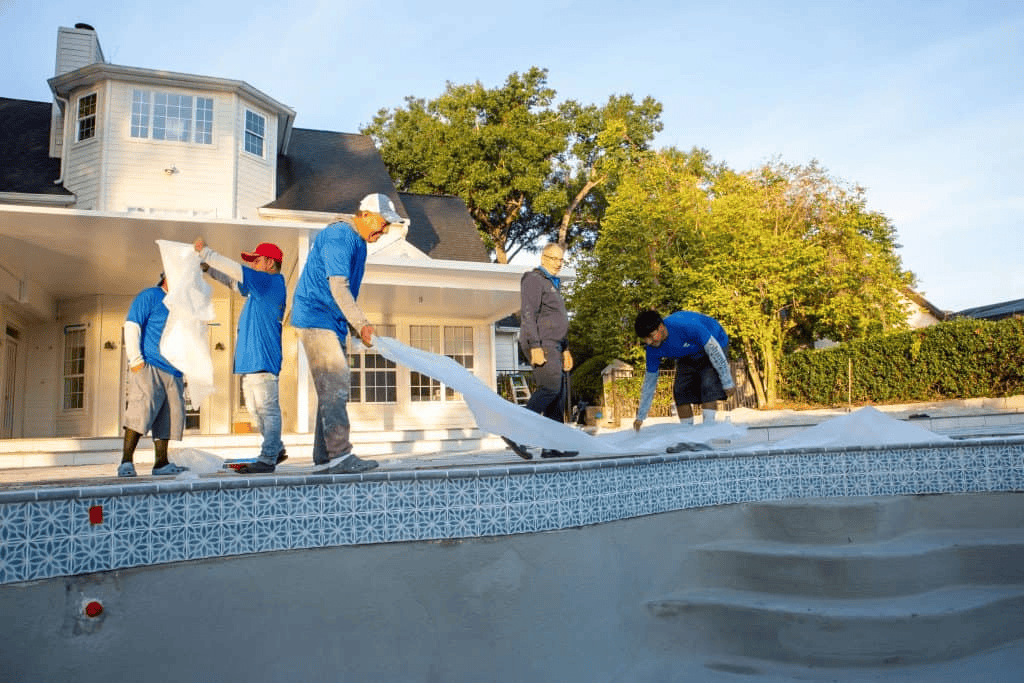
The new finish needs a firm base. Pool & Spa News explains that contractors can find hollow areas by dragging a chain or rod across the surface and listening, and it states that delaminated material must be removed, not replastered over. The article is from 2016, so confirm current practice with your contractor.
Ask whether the plaster needs spot removal or a full chip-out. That depends on how much of the surface has separated from the shell.
Which Cracks Need Repair?
Fine surface cracks in old plaster may be cosmetic. Cracks that widen, run across the shell, shift, or appear with water loss need a professional evaluation, because they can carry through to the new finish. Our guide to what rough walls, stains, and cracks mean explains how to tell the difference.
Is the Pool Leaking?
Leaks should be found before draining. A bucket test can show whether water loss is higher than evaporation, although it can’t point to the source. Common leak locations include the shell, underground plumbing, skimmers, light niches, and return fittings.
Resurfacing does not repair a leak, so locate and fix it first.
Are the Waterline Tile and Coping Sound?
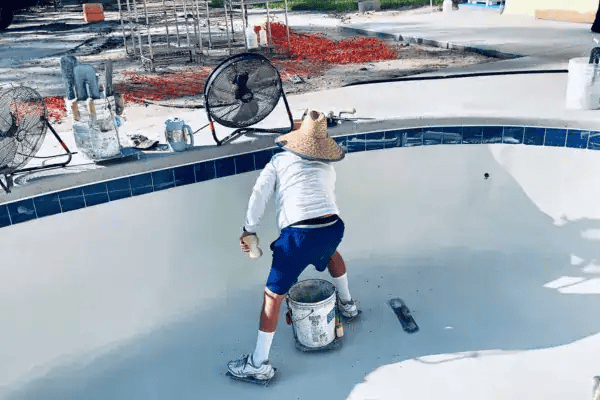
Look for loose tile, missing grout, shifting coping, and failed joints between the deck and pool edge. Damaged areas should be repaired, and secure materials can often stay. Our post on resurfacing without replacing tile or coping helps you decide what to keep.
Pool & Spa News also notes that plaster should be removed from immediately under the tile line, and that the new finish can then sit flush with the tile. That detail is worth asking your contractor about.
Are the Skimmers, Returns, and Fittings in Good Shape?
Skimmer bodies, return fittings, drain components, and light niches are all points where the finish has to meet other materials. Check them for cracks and leaks, and repair or replace them before the new surface goes on. Doing so now avoids disturbing a fresh finish later.
Is There Rust or Crumbling Concrete?
Rust-colored spots can mean corrosion beneath the surface, and crumbling concrete can point to a deeper repair need. Not every stain is structural, so have suspicious areas inspected before they are covered.
What Deck and Drainage Issues Should Be Checked?
The area around the pool affects the pool itself. A deck that slopes toward the water, traps rain, or has cracked and shifted sections can send water and debris back into the pool.
Ask your contractor to look at deck cracks, trip hazards, expansion joints, and where rainwater goes. Our post on pool deck drainage in Orlando’s rainy season explains what to look for.
Which Equipment Upgrades Are Easier to Coordinate During a Remodel?

Some upgrades are simpler to plan when the pool is already open. These are the ones worth discussing with your contractor:
- Pump and filter replacement if the equipment is aging or failing often.
- Heater upgrades or repairs.
- Lighting replacement, including niches.
- Automation, which Sea Breeze offers as a separate service.
- Plumbing access changes for future repairs.
None of these is required for resurfacing. Repair or replace equipment only when its condition and your plans call for it.
Which Repairs Are Necessary and Which Are Optional?
Prioritize problems that threaten the structure, cause water loss, or stop the finish from bonding. Not every worn-looking part needs replacing. This table shows the typical approach for each condition:
| Condition | Typical approach |
| Active structural cracks or confirmed leaks | Repair before resurfacing |
| Loose, hollow, or delaminated plaster | Remove or correct before resurfacing |
| Rust-related concrete damage | Inspect and repair as needed |
| Loose tile, damaged coping, failed joints | Repair the affected areas |
| Secure, undamaged waterline tile | Can often remain |
| Lighting, automation, or cosmetic upgrades | Optional, plan separately |
For typical prices on these repairs, see our guide on common pool repairs, costs, causes, and solutions.
What Should You Prepare Before the Contractor Visits?
A few minutes of preparation makes the inspection more useful:
- Photograph visible cracks, rust spots, loose tile, and damaged plaster.
- Note any unusual water loss and mention past leaks or repairs.
- Ask whether the plaster needs spot removal or a full chip-out.
- Confirm that skimmers, plumbing, fittings, coping, and joints will be inspected.
- Request an itemized estimate that separates repairs from resurfacing.
- Ask how hidden damage and change orders will be approved and priced.
- Verify the contractor’s license, permit responsibilities, and warranty terms.
How Should You Handle Draining in Central Florida?
Have a professional plan for the draining. High groundwater can put pressure on an empty concrete pool, and the discharged water needs to be handled properly.
The Florida Department of Environmental Protection’s pool guidance says pool water should sit at least 48 hours after the last chlorine addition or until free chlorine is no longer detected before discharge. Local rules and permits may add requirements, so ask your contractor to confirm what applies at your address.
What Happens if You Resurface Without Fixing Existing Damage?
Unrepaired cracks may show through the new finish, and active leaks can continue. Poorly bonded old plaster can cause the new surface to separate or flake. Fixing these issues afterward may mean removing part of the fresh finish and paying for more labor.
Warranties may also exclude problems tied to underlying damage or poor preparation, so read the terms before you sign.
Frequently Asked Questions About Pool Repairs Before Resurfacing
Can You Resurface a Pool Without Fixing Cracks?
Minor cracks within old plaster may be handled during surface preparation. Active structural cracks should be evaluated and repaired before the new finish goes on.
Will Resurfacing Fix a Leaking Pool?
Not reliably. A new finish does not repair leaking plumbing, damaged skimmers, or an active crack in the shell. Locate and repair the leak first.
Do You Have to Replace Pool Tiles When Resurfacing?
No. Secure, undamaged waterline tile can often remain. Loose, cracked, or failing tile should be repaired or replaced as needed.
Can New Plaster Go Over Old Plaster?
Sometimes. The existing plaster has to be sound, firmly bonded, and properly prepared. Loose or hollow areas need to be removed or corrected first.
What Should Be Repaired Before You Resurface? Start With a Sea Breeze Pools Inspection
The best resurfacing plan starts with an honest look at the whole pool, with the finish choice coming second. Sea Breeze Pools can inspect the plaster, cracks, tile, coping, fittings, deck, and equipment, then put the needed repairs in writing before any work begins.
If you’re considering a new finish, learn more about our pool resurfacing services or schedule a pool resurfacing inspection to get a clear scope and options.