Orlando homeowners are investing in outdoor living spaces because these projects make more of the property usable for relaxing, dining, and entertaining. A covered lanai, screened patio, outdoor kitchen, poolside seating area, or well-planned backyard can function like an additional room during much of the year. The real value isn’t simply following a design trend, it’s creating space that fits the way people actually live in Central Florida.
Key Takeaways
- Orlando’s warm climate allows well-designed outdoor spaces to be used during most of the year.
- Covered patios, lanais, outdoor kitchens, pools, and screened areas make backyards more functional and comfortable.
- Outdoor upgrades may improve buyer appeal, but homeowners should prioritize everyday enjoyment over promised financial returns.
- Shade, airflow, drainage, insect protection, and weather-resistant materials are essential in Central Florida.
- Permanent additions may require permits, HOA approval, and a conversation with the homeowners insurance provider.
- A licensed and insured contractor can help manage permits, select suitable materials, and prevent costly construction mistakes.
Why Outdoor Living Makes Sense in Orlando
In Orlando, a backyard doesn’t have to be an occasional-use space. With enough shade and weather protection, it can support morning coffee, family meals, weekend gatherings, exercise, and quiet time for much of the year. That makes an outdoor project a practical way to improve how a home works without building a fully enclosed addition.
The lifestyle benefit is also supported by broader remodeling research. In the National Association of REALTORS’ 2023 outdoor-features report, 68% of surveyed owners said an exterior project increased their desire to be at home, and 60% reported greater enjoyment of their home. Those national figures aren’t Orlando-specific, but they illustrate why daily usability often matters more than a promised resale return.
The Outdoor Features Orlando Homeowners Want Most

Covered patios and lanais provide shade from strong sun, shelter from frequent rain, and a clear transition between the house and backyard. Screened enclosures can make patios and pool areas more comfortable by reducing insects, leaves, and other debris.
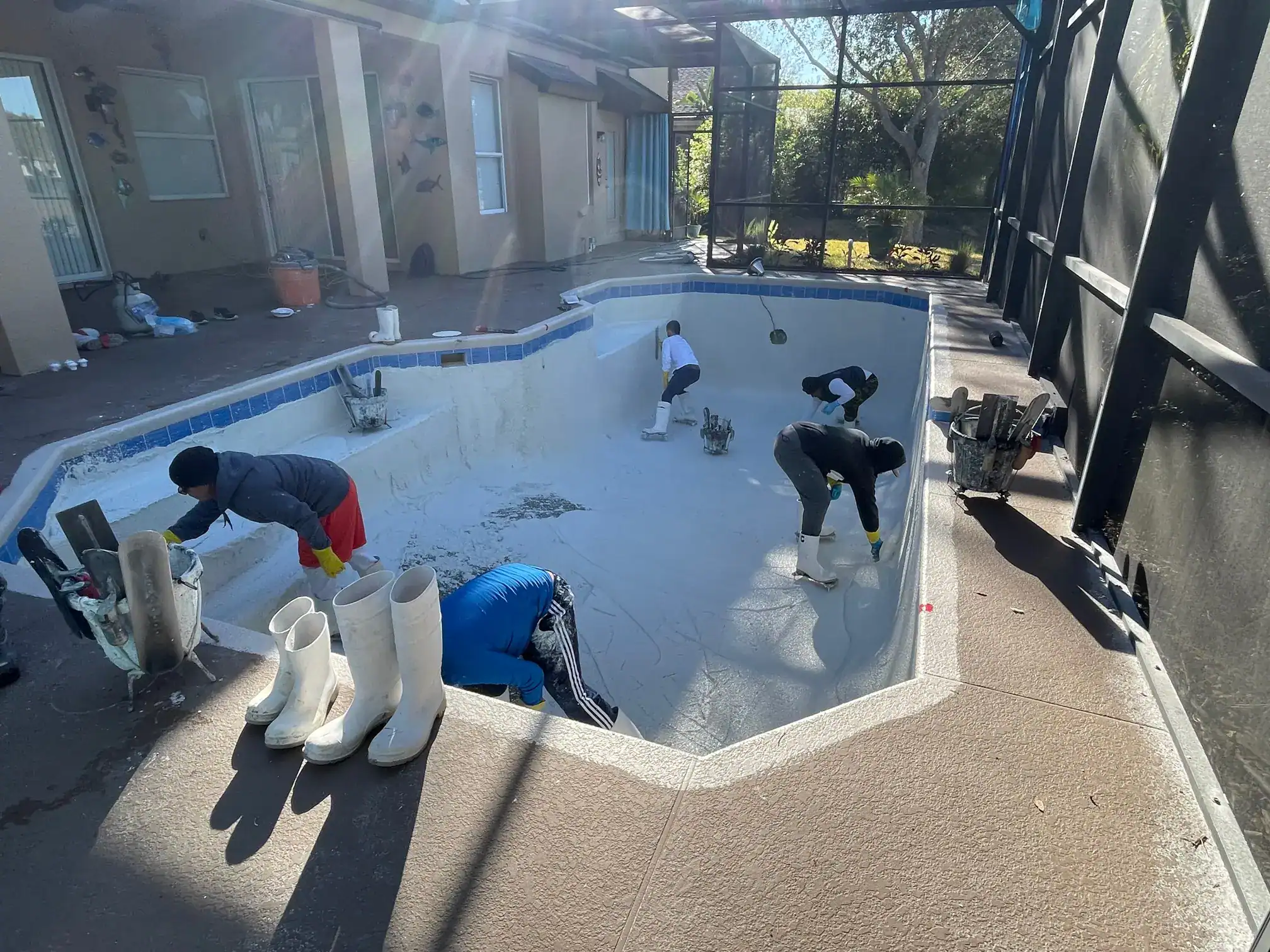
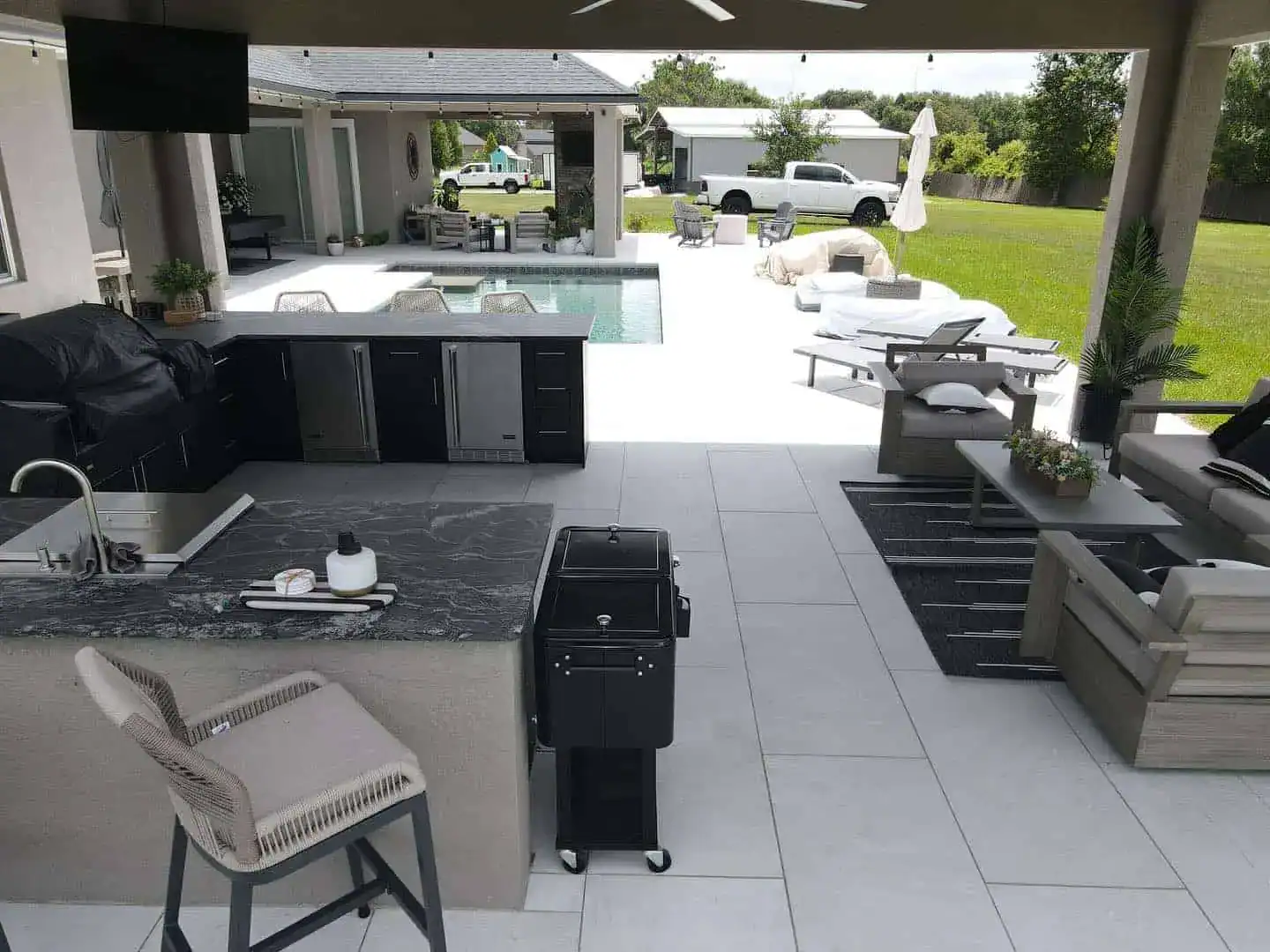
Outdoor kitchens and dining areas make hosting easier and can be as simple as a grill station with counter space or as complete as a weather-rated cooking area. Pools, spas, and poolside seating become more useful when the design also includes shade, safe walkways, lighting, and comfortable seating nearby. If your existing pool area needs updating to actually support this kind of outdoor living space, our pool remodeling services cover exactly that kind of integration. Thoughtful lighting, landscaping, and privacy features extend evening use, while planting and screening can create a more private and finished setting.
The Practical Benefits of an Outdoor Living Space
The strongest outdoor projects solve a real problem for the homeowner. They may:
- Create more room for family and guests without changing the home’s interior layout
- Turn an underused patio or backyard into space that serves a clear purpose
- Provide a dedicated place for dining, entertaining, relaxing, or recreation
- Improve the visual connection between indoor rooms and the yard
- Make a home feel better suited to the Florida lifestyle
A smaller, comfortable space that’s used every week may provide more value than a large feature that looks impressive but is inconvenient to maintain.
Does an Outdoor Living Space Add Home Value?
A well-designed outdoor area may make a home more attractive to future buyers, especially when it looks like a natural extension of the property. Covered seating, usable shade, good lighting, durable finishes, and a layout that’s easy to maintain can all strengthen buyer appeal.
However, no outdoor project guarantees a specific return. The result depends on the cost of the work, the neighborhood, the quality of construction, the condition of the home, and what local buyers value. Homeowners should first ask whether the space will improve their own daily life. Any resale benefit should be treated as a possible advantage, not the only reason to build.
Designing for Orlando’s Climate

An uncovered patio can become uncomfortable during the hottest part of the day. Covered rooflines, pergolas, umbrellas, ceiling fans, and a layout that avoids direct afternoon sun can make the space usable for longer periods. Water should move away from the house, seating areas, and outdoor equipment too, since the design should account for roof runoff, low areas, and surfaces that can become slippery. Poor drainage can lead to standing water, stains, landscape damage, and insect problems.
Furniture, cabinets, appliances, lighting, fasteners, and finishes should be rated for outdoor use and selected for Florida’s humidity, sun, and rain. Ask how each material will age and what cleaning, sealing, or refinishing it will require, since the best choice is usually the one that balances appearance with realistic maintenance. Screens, fans, and proper drainage can make the space more comfortable and reduce conditions that attract insects, and homeowners should also have a simple storm plan for loose furniture, umbrellas, grills, televisions, and other equipment. Permanent structures should be designed and installed to meet applicable Florida building requirements.
Common Mistakes to Avoid
- Designing for appearance without providing enough shade
- Ignoring drainage until water begins collecting near the house or patio
- Using indoor-rated furniture, appliances, or finishes outside
- Adding too many features without deciding how the space will actually be used
- Overlooking the time and cost required for cleaning and maintenance
- Starting work before confirming permits, setbacks, HOA rules, or insurance implications
- Choosing a contractor without verifying licensing, insurance, scope, and warranties
What to Check Before Starting the Project
Before you break ground on any project, there may be some important permissions to obtain.
Permits
Permitting depends on both the project and the property’s jurisdiction. The City of Orlando states that permits are required for most residential construction, and separate trade permits may be needed for electrical, plumbing, gas, or other specialized work. Properties in unincorporated Orange County follow the county’s permitting process.
Defined Use
Define the main use first, deciding whether the priority is dining, entertaining, poolside relaxation, privacy, or a flexible combination. Set the complete budget, including site preparation, drainage, utilities, permits, finishes, furniture, and a reasonable contingency. Confirm the jurisdiction and approvals by checking city or county rules, property setbacks, easements, HOA restrictions, and any historic- or flood-zone requirements.
Insurance
Speak with the insurance provider about how permanent structures, outdoor kitchens, pools, and screen enclosures would be covered. Verify the contractor, checking the applicable Florida license, insurance, experience with similar projects, and who will obtain permits. And put the scope in writing, documenting materials, drainage, utilities, warranties, payment milestones, exclusions, and the process for changes.
Should You Build Everything at Once?
Completing the entire project together can produce a more consistent design and reduce the need to reopen finished areas. Phasing can make a larger plan easier to budget and allows homeowners to learn which features they use most.
If the work will be phased, plan future electrical lines, plumbing, drainage, foundations, and access before completing the first stage. That preparation can prevent finished patios or landscaping from being removed later.
Frequently Asked Questions
Which outdoor improvement provides the most practical value?
For many Orlando homes, a covered and comfortably furnished seating area is the strongest starting point because it improves shade, rain protection, and everyday usability. The best choice still depends on how the household plans to use the yard.
Does a covered patio require a permit in Orlando?
Permanent covered patios and similar construction commonly require permits. Electrical, plumbing, or gas work may require separate trade permits. Confirm the requirements for the specific address with the City of Orlando or Orange County before work begins.
Can an outdoor kitchen withstand Florida weather?
Yes, if it’s properly sheltered and built with outdoor-rated appliances, cabinets, fasteners, and finishes. Drainage, ventilation, utility connections, and storm preparation should be included in the plan.
What materials are easiest to maintain?
Low-maintenance choices vary by application, but outdoor-rated products that resist moisture, sunlight, corrosion, and mildew generally perform better. Ask for realistic maintenance instructions before choosing a finish.
How can an outdoor space be prepared for hurricanes?
Use code-compliant permanent construction and create a plan for securing or storing loose furniture, grills, umbrellas, electronics, and accessories before severe weather.
Will an outdoor addition affect homeowners insurance?
It may. Coverage for pools, screen enclosures, outdoor kitchens, and detached structures varies by policy, so homeowners should contact their insurer before construction and update the policy when needed.
Can an outdoor living project be completed in phases?
Yes. A phased project works best when the complete layout is planned first and future utilities, drainage, foundations, and access are accounted for before the initial work is finished.
Planning Your Orlando Outdoor Living Space With Sea Breeze Pools
An outdoor living project should make the home more comfortable and useful, not simply add more features. Begin with a clear purpose, design for Central Florida weather, verify the necessary approvals, and choose materials that fit the level of maintenance you’re willing to handle.
As a Central Florida pool services in Orlando, we help homeowners integrate the pool, deck, and surrounding outdoor space as one connected project rather than treating each piece separately. Schedule an on-site consultation to discuss your space, priorities, permitting needs, and a practical plan for the project.